move on to
US
・UK
A1
phr. v.Phrasal VerbTo proceed to the next topic, task, or stage.
Let's move on to the next item on the agenda.
Video subtitles
Presentation Phrases & Public Speaking Advice | Business English Course Lesson 8

- For example, "As you're aware, this product is available in 3 countries." Transitioning to the next topic: Before you move on to your next point, make sure it's clear to your audience.
For example, "As you're aware, this product is available in 3 countries." Transitioning to the next topic: Before you move on to your next point, make sure it's clear to your audience.
- For example, "Let's move on to our next key point," or "Turning our attention now to the results of our market research." Providing more details: "I'd like to expand on..." For example, "I'd like to expand on my point about the fall in GDP." You can also say, "Let me elaborate further." Linking to another topic: As I said at the beginning, you can use this one to remind your audience about a point you made earlier.
For example, "Let's move on to our next key point," or "Turning our attention now to the results of our market research." Providing more details: "I'd like to expand on..." For example, "I'd like to expand on my point about the fall in GDP." You can also say, "Let me elaborate further." Linking to another topic: As I said at the beginning, you can use this one to remind your audience about a point you made earlier.
What’s going to happen to Big Tech’s laid off workers?

- But, at my age, it's better to just develop my soft skills and my technical skills first before I move on to bigger roles and more responsibilities.
But, at my age, it's better to just develop my soft skills and my technical skills first before I move on to bigger roles and more responsibilities.
- before I move on to bigger roles and more responsibilities.
before I move on to bigger roles and more responsibilities.
Japan changes tradition for foreigners

- So let's move on to the number one symbol that people are debating right now.
So let's move on to the number one symbol that people are debating right now.
- So, let’s move on to the number one symbol
So, let’s move on to the number one symbol
How to Learn English \ Where to start \ A Step-by-Step Guide
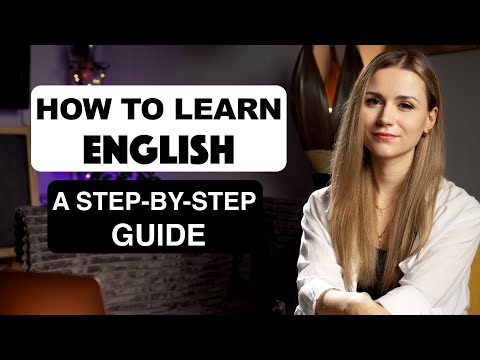
- And then you gradually move on to more complicated things.
And then you gradually move on to more complicated things.
- how to answer. And then you gradually move on to more complicated things.
how to answer. And then you gradually move on to more complicated things.
Taiwanese Food (Xiao Long Bao - 小籠包): Eating soup dumplings at Din Tai Fung (鼎泰豐) in Taipei, Taiwan
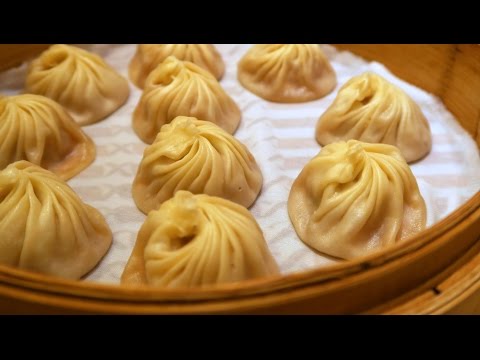
- Okay, time to move on to the third dish. Yeah, so we've got sticky rice wrapped with pork
Okay, time to move on to the third dish. Yeah, so we've got sticky rice wrapped with pork
- Okay, time to move on to the third dish.
Okay, time to move on to the third dish.
Watch Jim Lehrer Moderate First Full Presidential Debate

- taxes. I want move on to the deficit and a lot of other things, too.
taxes. I want move on to the deficit and a lot of other things, too.
- And we're going to move on to the deficit and a lot of other things, too, okay?
And we're going to move on to the deficit and a lot of other things, too, okay?
The TRUTH About Studying

- Now, let's move on to the second truth about studying, which is that it should not be hard.
Now, let's move on to the second truth about studying, which is that it should not be hard.
30 Truths I Know at 30 But Wish I Knew at 20
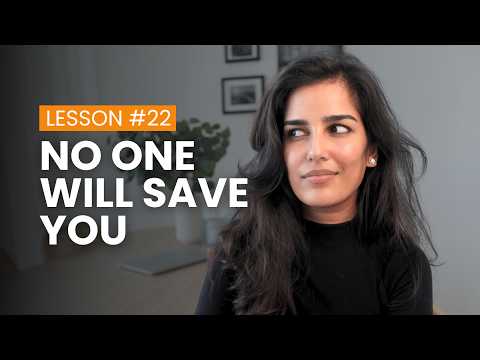
- Define what it is that you actually want and then move on to number 15 which is do the thing that you need to do to get what you want.
Define what it is that you actually want and then move on to number 15 which is do the thing that you need to do to get what you want.
How to do 10 minutes of speaking every day? |?️ 8 Minute English | Beginner
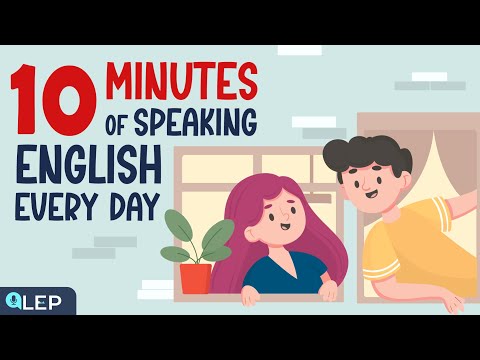
- Now move on to "formal classes." They are structured lessons taught in an educational setting.
Now move on to "formal classes." They are structured lessons taught in an educational setting.
- Now, move on to formal classes.
Now, move on to formal classes.
When You Think the Personal Trainer Likes You
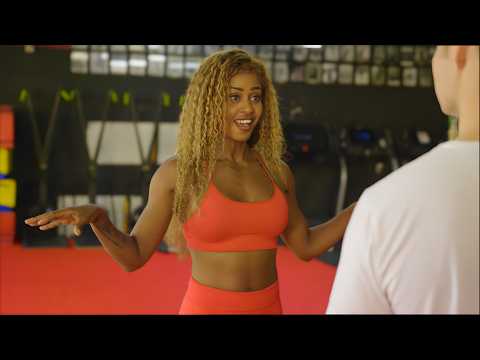
- Anyway, um, that's the free weights, let's move on to the squat racks.
Anyway, um, that's the free weights, let's move on to the squat racks.
- Let's move on to the squat racks.
Let's move on to the squat racks.